Edge Finishing: Burnished vs Painted Leather Edges
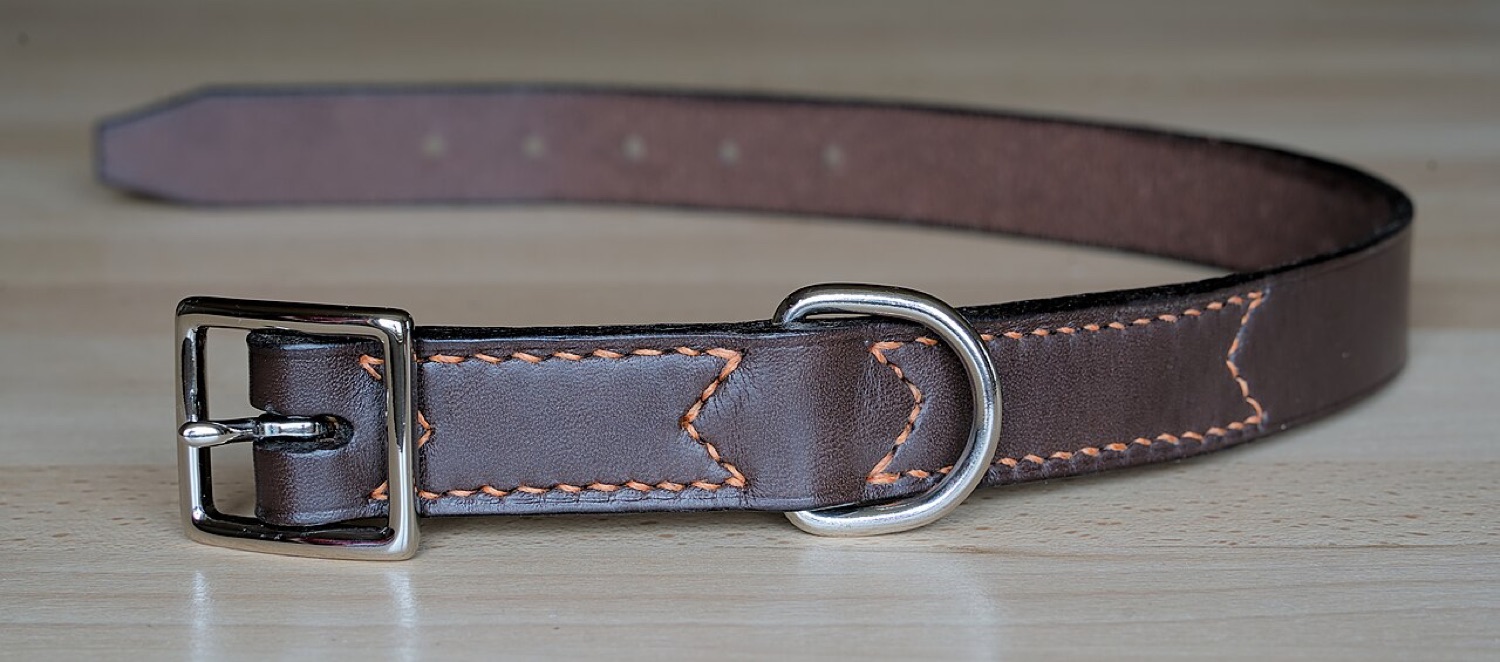
Look at the edge of a leather object and you will learn most of what you need to know about who made it. A raw, fuzzy edge says the maker stopped early. A glassy, rounded edge or a smooth, painted one says someone spent real time on the part most people never think about.
Step one: a clean cut
Everything starts with a straight, square cut from a sharp knife or a clicking press. Ragged cuts cannot be rescued by finishing.
Burnishing
Burnishing suits vegetable-tanned leather. The maker bevels the corners of the edge, sands it smooth, dampens it and rubs it hard with a wooden or bone slicker. Friction and heat compress the fibres into a hard, glossy surface. Many add a little gum tragacanth or a modern burnishing compound to help.
- Looks natural and darkens with age.
- Can be touched up years later with the same tools.
- Does not work well on soft chrome-tanned leather.
Painting
Painted edges are the norm in European fashion houses and on chrome-tanned leathers that will not burnish. The maker applies a flexible edge paint in several thin coats, sanding lightly between them, until the edge is smooth and even. Contrasting colours became a small signature of independent makers.
- Works on any leather.
- Very clean and uniform.
- Can crack or peel if applied too thickly, and is harder to repair.
Folded edges
A third option skips the problem entirely: the leather is skived thin and folded over itself, so no cut edge shows. It is common on fine wallets and phone sleeves.
How to judge an edge in a shop
Run a fingernail along it. A good burnished edge feels hard and smooth; a good painted edge feels slightly rubbery and has no lumps. The same test works on the leather rail of a card table or the edge of a backgammon case, which take far more wear than a wallet ever will. For a small object where the edges dominate, see our guide to minimal phone sleeves.
You might also like

Laser Engraving and Build Numbers on Handmade Goods
Small makers use lasers to mark logos, Roman numerals and build numbers on leather, steel and aluminium. How it works and what each material needs.

Restoring a Vintage Slot Machine Cabinet
Old mechanical slot machines are cast metal, oak and clockwork. How collectors restore the cabinet and mechanism, and what to check before you buy one.

Cantilever Frames and Balloon Tires: The Cruiser Explained
Why the cantilever frame, balloon tires and a sprung leather saddle became the classic cruiser recipe, and how to choose and keep one today.