Vegetable vs Chrome Tanned Leather: Apples to Oranges
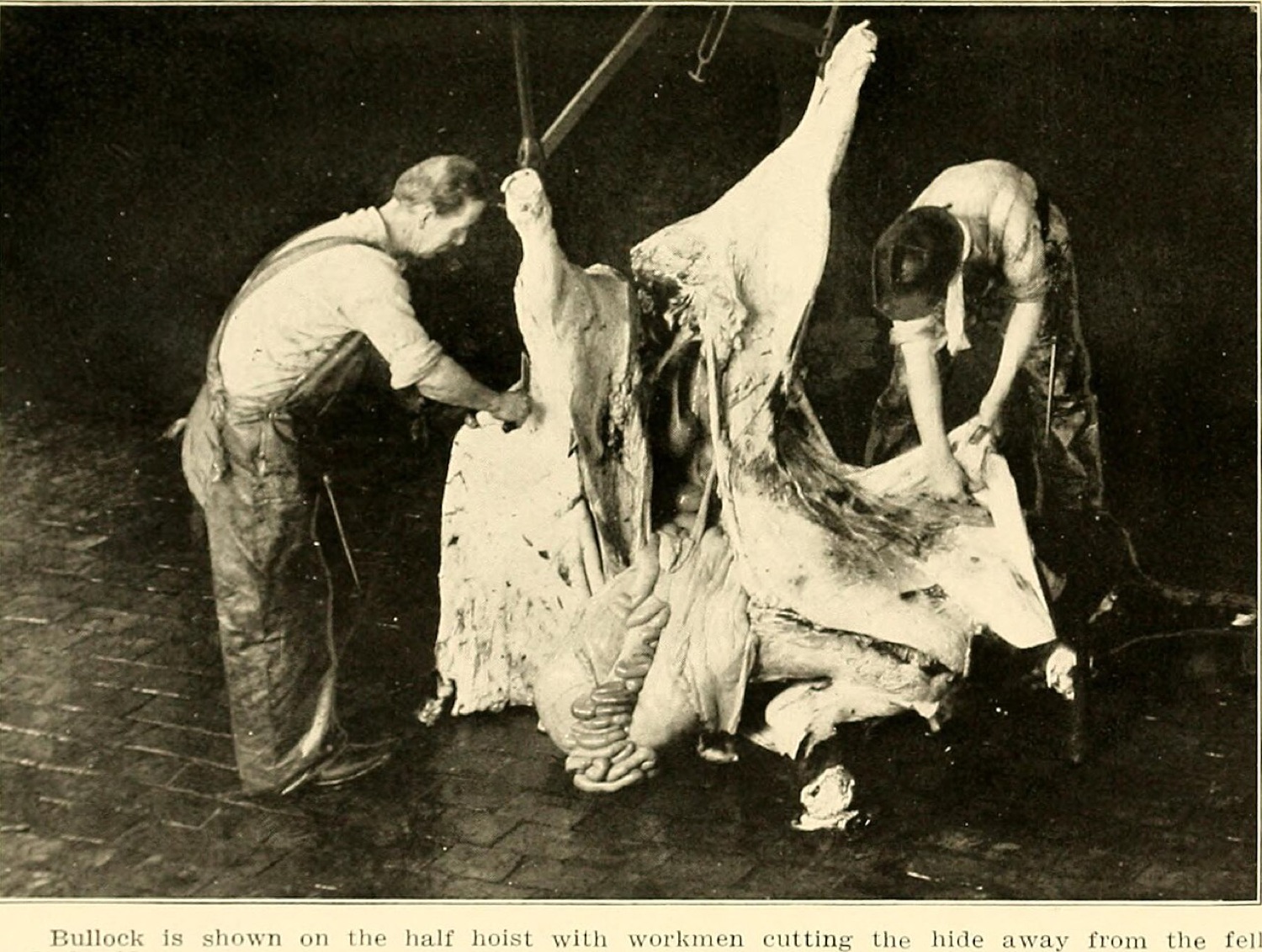
Comparing vegetable-tanned and chrome-tanned leather is a bit like comparing apples and oranges. Both start as the same raw hide and both end up as leather, but they behave so differently that a maker chooses between them for each object, not once and for all.
Vegetable tanning
The older method uses tannins from plants, traditionally oak and chestnut bark, today also mimosa and quebracho. Hides soak in a series of pits or drums with increasing tannin strength, a process that takes weeks. The result is firm, full of body, light in colour when undyed, and very receptive to tooling, stamping and burnishing.
- Holds its shape: good for card cases, belts, sheaths and structured bags.
- Darkens and develops a rich patina with light and handling.
- Marks and stains easily, especially with water when new.
Chrome tanning
Developed in the nineteenth century, chrome tanning uses chromium salts and can be done in about a day. Most of the world's leather is made this way today. It is softer, more supple, more water resistant and available in almost any colour.
- Soft and flexible: good for garments, upholstery and linings.
- More stable colour; changes less with age.
- Edges do not burnish well, so they are usually painted or folded.
Combination leathers
Many favourite leathers of independent makers are combinations: chrome tanned first, then retanned with vegetable extracts and stuffed with oils and waxes. They are soft yet substantial, show a 'pull-up' effect where the colour lightens when the leather is bent, and age handsomely. Some long-established American tanneries have built their reputation on exactly these leathers.
Which to choose
For a slim card case or a tablet sleeve that must keep its shape, vegetable or combination leather. For a sofa or a soft wallet liner, chrome. For a bicycle saddle, traditionally a thick vegetable-tanned butt leather, stretched and hardened over a frame.
The choice is a bit of a wager either way: you will not know exactly how a hide ages until it has been used for a year or two. That uncertainty is part of what people love about natural leather, and why our article on patina exists.
You might also like

Patina: Leather That Wears In, Not Out
Good leather wears in, not out. What patina really is, why it happens faster on some leathers, and how to encourage it without ruining a piece.

How Casino Chips Are Made: Clay, Inlays and Edge Spots
A casino chip is a small piece of industrial design: compression-moulded clay composite or ceramic, edge spots, inlays and security marks. How they are made and collected.

Custom Cruiser Bikes: Leather Seats, Fat Tires and Tiny Runs
Small workshops turn the humble beach cruiser into rolling sculpture: aged leather, hand-laced grips, twin wheels. What makes a custom cruiser, and what it is like to own one.