Card Guards and Chip Protectors: Small Metal for the Poker Table
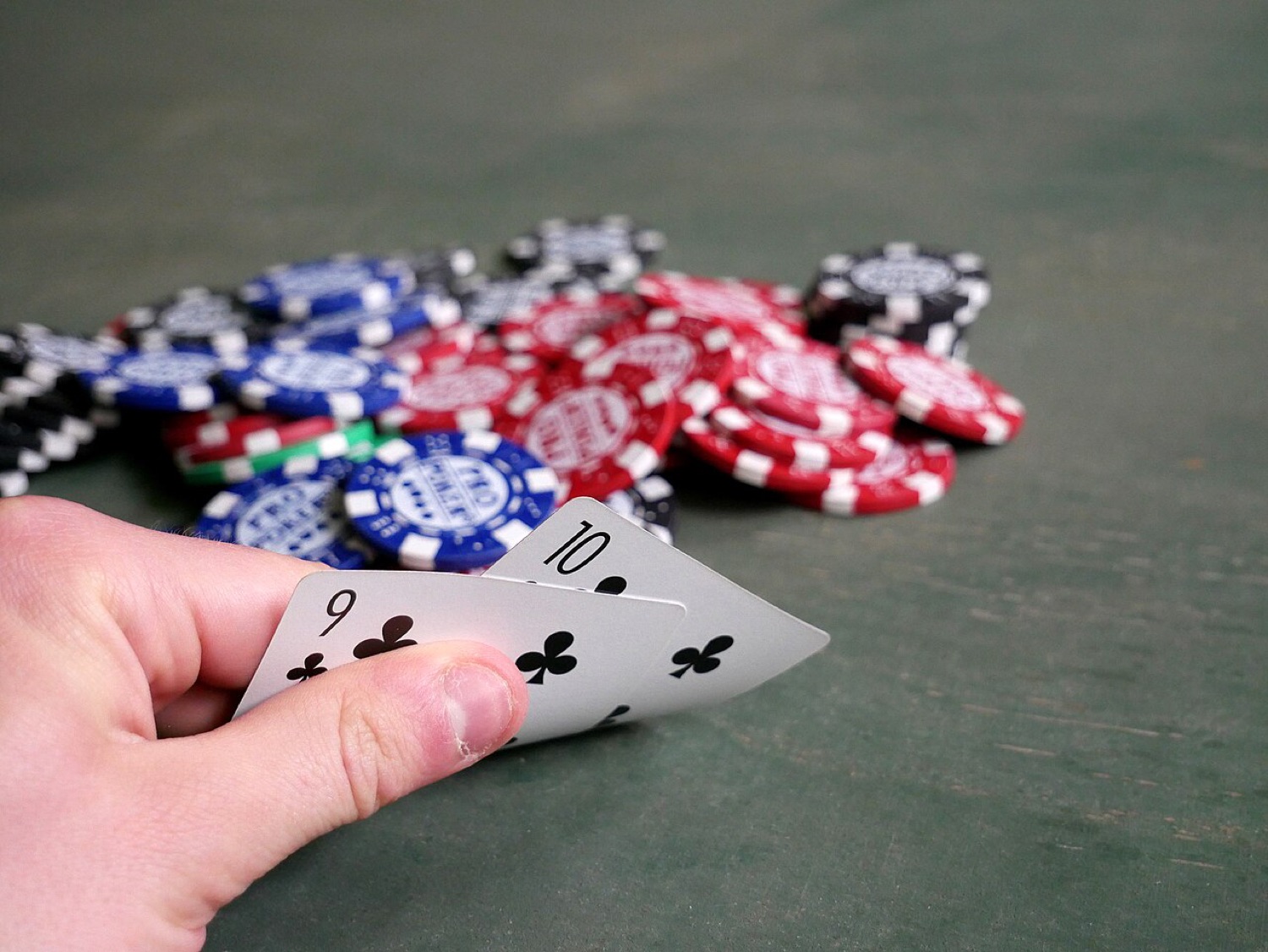
In hold'em and Omaha, the two or four cards dealt face down to each player are the whole hand. Lose them and you lose the pot. That is why many players place a small object on top of their cards: a card guard, also called a card protector. It looks like a superstition, and sometimes it is, but it also has a practical job.
What a card guard does
Poker room rules generally expect players to protect their own hand. If a dealer accidentally sweeps an unprotected hand into the muck, or another player's discarded cards touch it, the hand can be declared dead. A weighted object on top makes the hand obviously live and stops it from sliding or being picked up by mistake.
What players use
- A spare chip, the simplest option.
- A coin, often a lucky one carried for years.
- A custom machined disc of aluminium, brass or steel.
- Small figurines, crystals and other charms of every kind.
Rooms sometimes limit the size of protectors, and a guard should never look like a casino chip, to avoid confusion in the pot.
The maker's angle
Card guards are a natural product for small metal and leather workshops. The same CNC machines that cut aluminium dividers for card cases can turn a heavy disc with a knurled edge, and the same lasers that mark build numbers can engrave a pattern or initials on its face. Powder-coated or anodised finishes add colour. Numbered runs are common, and collectors trade them like any other small object. Our piece on laser engraving and build numbers covers the marking side.
Choosing one
A good card guard is heavy enough not to slide, smooth underneath so it cannot scratch the cards, and small enough to fit in a coin pocket. Something between a large coin and a chip in size works well. Players who carry a slim two-sided card case often keep their guard in the same pocket, which is why both tend to be designed with smooth, rounded edges.
Whether it changes your luck is another matter. What it certainly changes is the chance of losing a good hand to a clumsy sweep of the dealer's arm.
You might also like

Vegetable vs Chrome Tanned Leather: Apples to Oranges
Two ways to turn a hide into leather, two very different materials. How vegetable and chrome tanning work, and which one suits a wallet, a sleeve or a seat.

Restoring a Vintage Slot Machine Cabinet
Old mechanical slot machines are cast metal, oak and clockwork. How collectors restore the cabinet and mechanism, and what to check before you buy one.

Custom Cruiser Bikes: Leather Seats, Fat Tires and Tiny Runs
Small workshops turn the humble beach cruiser into rolling sculpture: aged leather, hand-laced grips, twin wheels. What makes a custom cruiser, and what it is like to own one.