The Roulette Wheel as a Piece of Precision Engineering
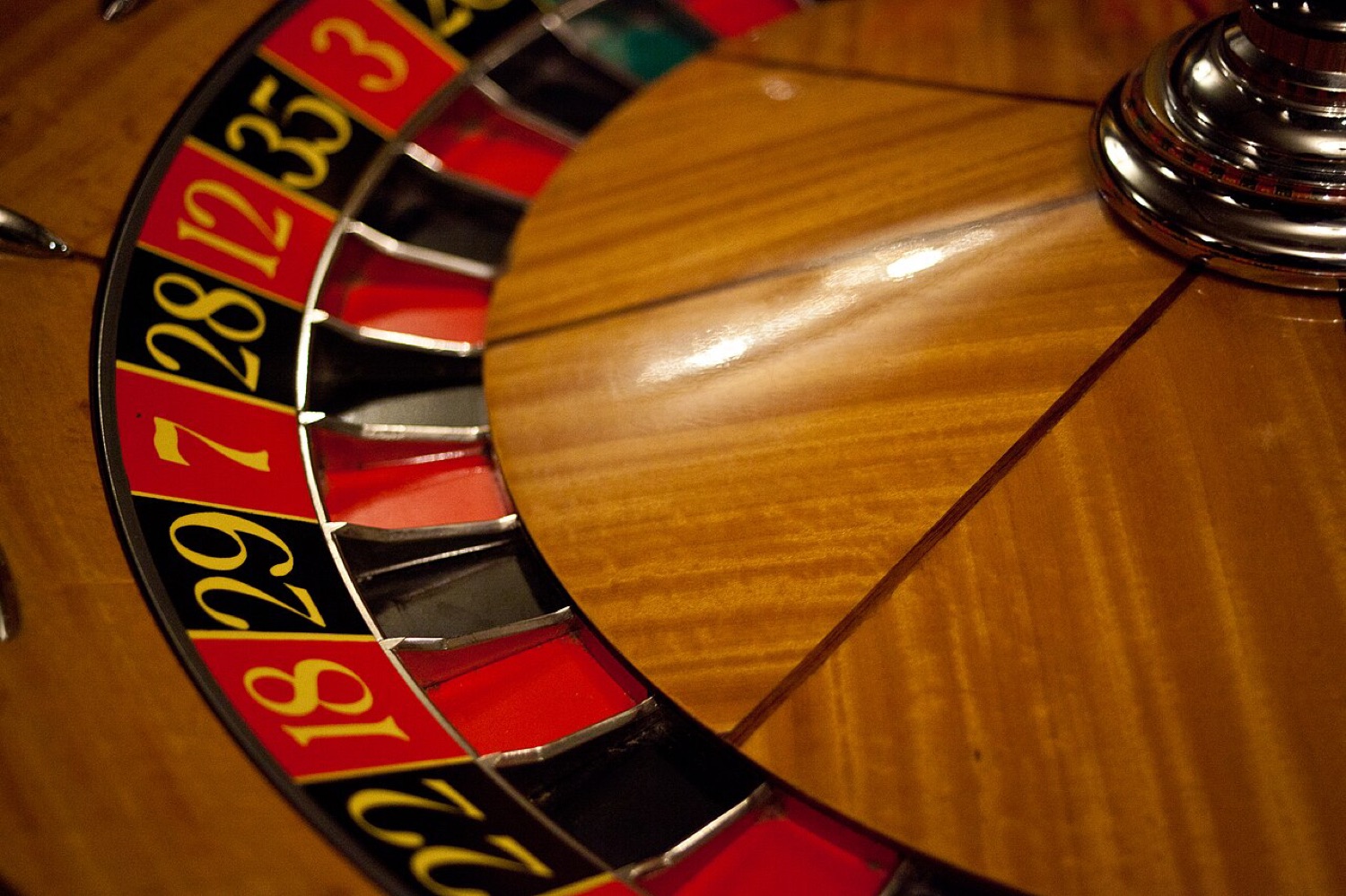
From a distance, a roulette wheel looks like decoration: polished wood, chrome and a spinning ball. Up close it is a precision instrument. A casino wheel has to behave the same on every spin, for years, and the craftsmanship that goes into it would impress any furniture maker or bicycle builder.
The parts
- The bowl: the fixed outer part, traditionally solid hardwood, with a sloping track where the ball runs.
- The wheel head: the spinning centre with the numbered pockets, mounted on a spindle.
- The frets: metal separators between pockets; modern low-profile frets make the ball's final bounce less predictable.
- The turret: the decorative handle at the centre used to spin the head.
- Canoes or diamonds: metal deflectors on the track that scatter the ball as it slows.
Single zero, double zero
A European wheel has 37 pockets, numbers 1 to 36 plus a single zero. An American wheel adds a double zero for 38 pockets. That extra pocket roughly doubles the house edge, from about 2.7% to about 5.26%, which is why many players look for single-zero tables.
Balance and bias
A wheel that is not perfectly level, or a head that wears unevenly, can favour certain sections. The most famous story concerns a British engineer who, in the 1870s, is said to have studied the wheels at Monte Carlo, found a biased one and won a fortune before the casino rearranged its wheels. Whatever the details, the lesson stuck. Modern casinos level their wheels regularly, rotate wheel heads between tables and use software that tracks results to spot any bias early.
Materials and craft
Wheel heads are turned from hardwood or built from composite materials, then fitted with precision bearings so they spin smoothly for minutes. The balls are made from materials such as resin, Teflon or ceramic, each of which bounces differently. Every part is measured, matched and checked.
There is a family resemblance here with everything else on this site: precise metalwork, turned wood, small tolerances and a finish that has to survive heavy handling. The same care goes into the chips stacked on the layout, as our article on how casino chips are made shows.
You might also like

Minimal Leather Phone Sleeves: Studs, Painted Edges and Fit
A phone sleeve is the smallest leather good a workshop can make, and one of the hardest to get right. How studs, edges and exact fit make it work.

Cancelled Casino Decks: Why Old Cards Get Holes Punched
Casinos retire their playing cards quickly, then drill or clip them before selling them as souvenirs. Why decks are cancelled, and why collectors and makers love them.

Laser Engraving and Build Numbers on Handmade Goods
Small makers use lasers to mark logos, Roman numerals and build numbers on leather, steel and aluminium. How it works and what each material needs.