How Casino Chips Are Made: Clay, Inlays and Edge Spots
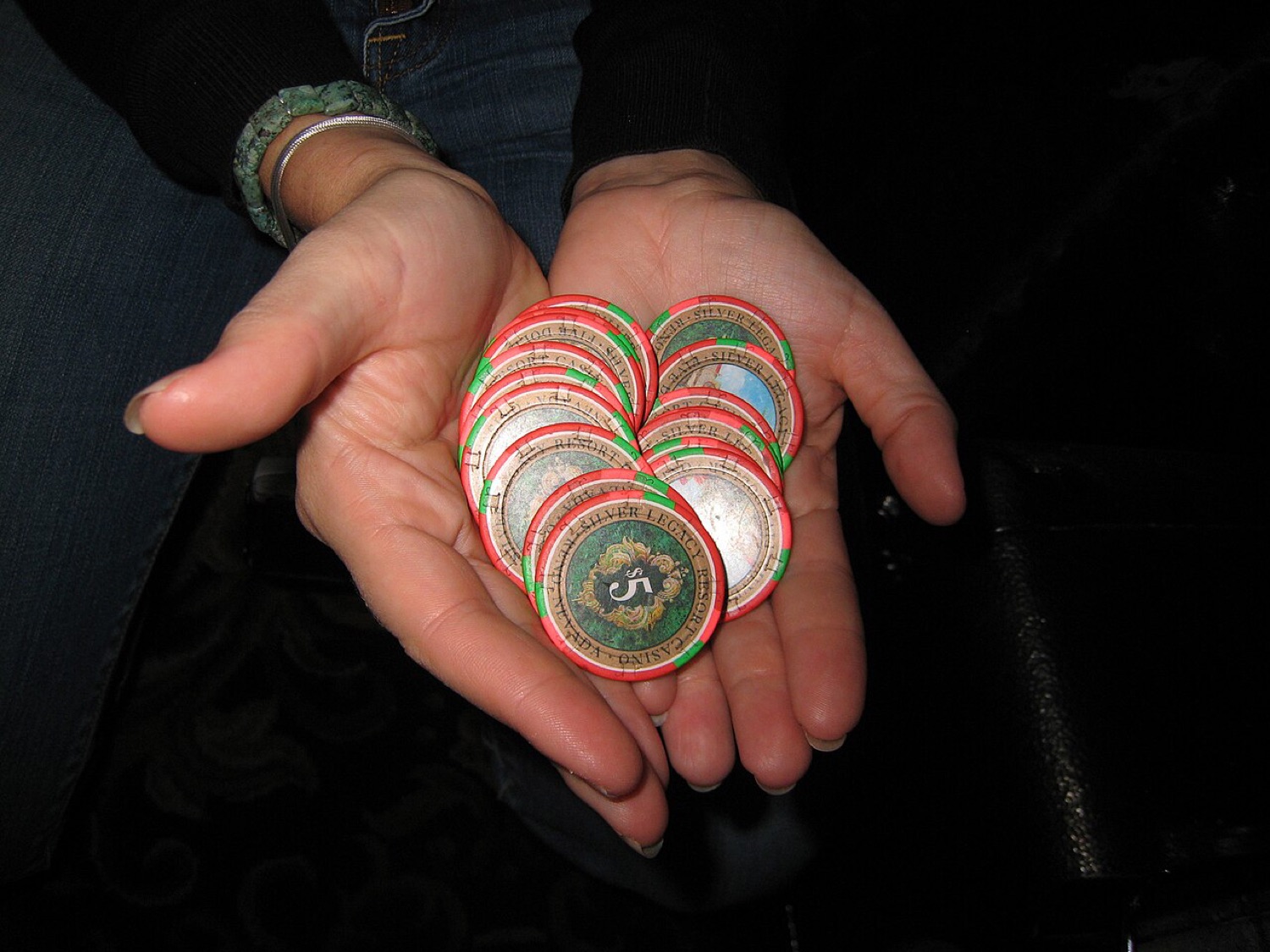
A casino chip feels like a simple token, but it is a small piece of industrial design built to a strict brief. It must be easy to stack and count, impossible to confuse with another value, very hard to fake and durable enough to be handled thousands of times. The way chips are made reflects all of that.
Clay composite
Classic casino chips are often called clay chips, but most are a clay composite: a mix of clay with other materials that make it stronger. The material is coloured, then pressed into a mould under heat and high pressure in a process called compression moulding. The coloured spots on the edge are formed by inserting pieces of a different colour before pressing, so the spots run all the way through the chip rather than being painted on.
Inlays and ceramic chips
In the centre of many chips is an inlay: a printed label, often paper or plastic, sealed into a recess and showing the casino's name and the value. Ceramic chips work differently. They are made from a harder material that can be printed edge to edge with detailed graphics, which is why they are popular for high-value plaques and some tournaments.
Weight and size
Most casino chips are about 39 mm across and weigh in the region of 8 to 10 grams. Home sets sold as 'clay' are often lighter plastic chips with a metal insert added for weight, which is why they sound different when riffled.
Colour codes
Many American casinos follow broadly similar colour schemes: white or blue for $1, red for $5, green for $25, black for $100, purple for $500. The scheme is a convention, not a law, and varies between states and properties.
Security
- Unique edge-spot patterns for each casino.
- Ultraviolet marks visible only under special light.
- Micro-printing and fine engraving on the inlay.
- In some modern chips, embedded RFID tags.
Collecting
Chips from closed casinos are a popular collectable, with clubs, catalogues and shows of their own. Their appeal is the same as a numbered run of handmade goods: a finite set, a story, and a physical object that ages with handling. For the precision side of the casino floor, read our feature on the roulette wheel as engineering.
You might also like

Patina: Leather That Wears In, Not Out
Good leather wears in, not out. What patina really is, why it happens faster on some leathers, and how to encourage it without ruining a piece.

Restoring a Vintage Slot Machine Cabinet
Old mechanical slot machines are cast metal, oak and clockwork. How collectors restore the cabinet and mechanism, and what to check before you buy one.

Upcycled Furniture: When a Strange Object Becomes a Sofa
Bathtub sofas, car-boot benches, even steel caskets turned into couches. How upcycled furniture is built safely, why tufted leather is the usual finish, and who buys it.