Patina: Leather That Wears In, Not Out
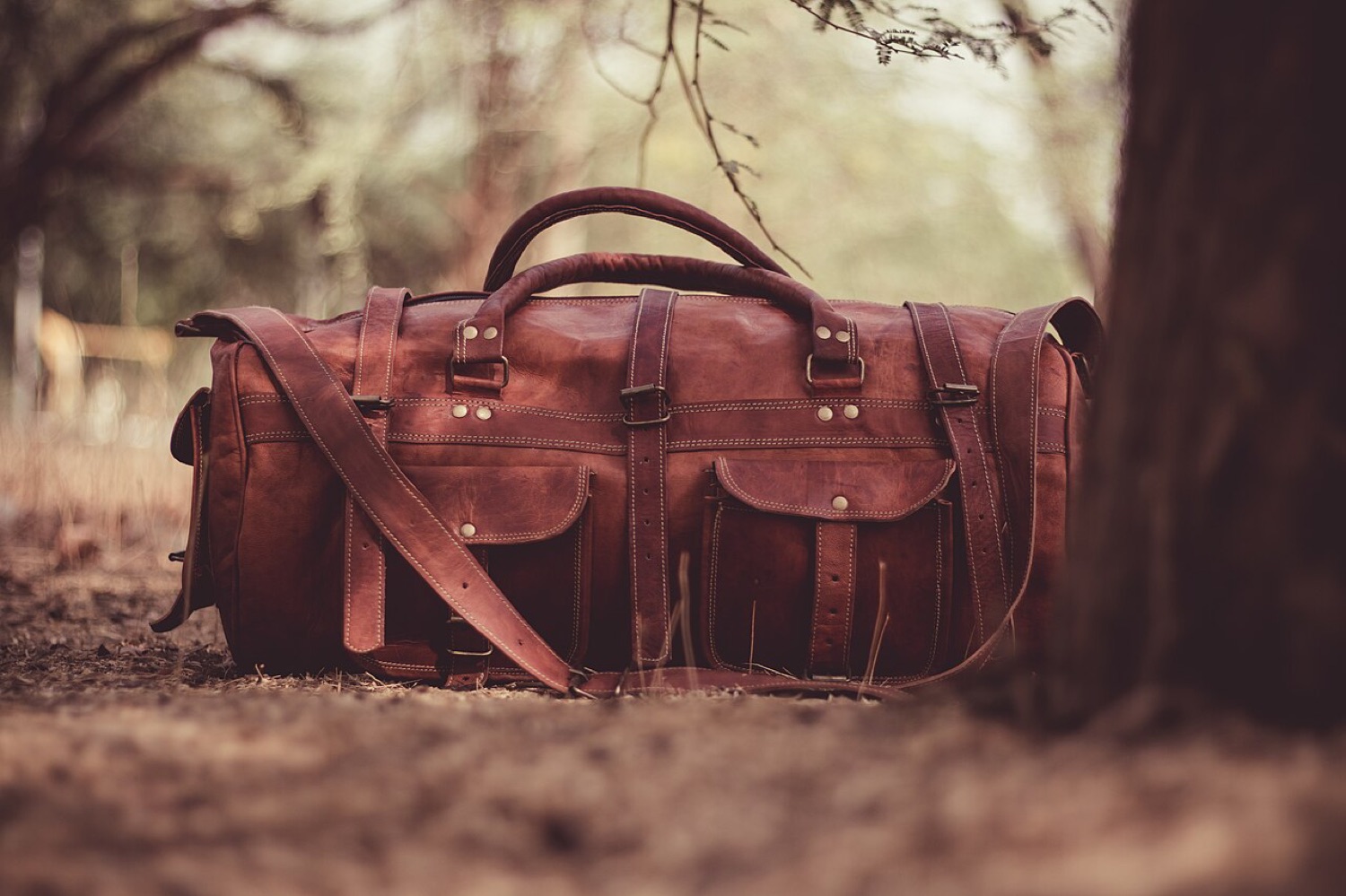
The best leather is the kind that wears in, not out. It arrives stiff and even, then slowly takes on the shape of the person who uses it: darker where hands hold it, softer where it bends, marked with small scratches that fade into the surface. That change is called patina, and for many people it is the main reason to buy leather at all.
Life marks
Full-grain leather keeps the surface of the hide, and with it the animal's history: small scars, insect bites, brand marks and variations in grain. Makers call them life marks. Some hide them; others choose hides that show them and tell the buyer to expect them. Just like the people who own them, each piece is unique. Wear your imperfections proudly.
What patina is made of
- Light: vegetable-tanned leather darkens noticeably in sunlight.
- Oils: from hands and skin, absorbed into the surface.
- Burnishing: constant friction polishes high points to a soft sheen.
- Waxes rising: in oiled and waxed leathers, handling brings waxes to the surface.
Encouraging it, gently
Use the piece. That is most of the advice. A few hours in the sun can even out the colour of a new natural leather item. A thin coat of neutral balm once or twice a year keeps it supple. Avoid heavy oils, which can darken leather unevenly and make it greasy.
What patina is not
Patina is not damage. Cracks from drying out, mould from storage in a damp cupboard and stretched-out pockets from overfilling are not character; they are neglect. Store leather somewhere dry and ventilated, and give it a rest when it gets soaked.
Where patina shows best
Card cases, belts, saddles and bag handles show patina fastest because they are handled every day. So do the leather dice cups of bar and backgammon players, which can pick up a deep shine after a few seasons of being shaken and slammed on a table. Our piece on leather dice cups and backgammon boards looks at that corner of the craft.
You might also like

Vegetable vs Chrome Tanned Leather: Apples to Oranges
Two ways to turn a hide into leather, two very different materials. How vegetable and chrome tanning work, and which one suits a wallet, a sleeve or a seat.

Leather, Foam and Felt: How a Poker Table Rail Is Built
The padded rail of a poker table is upholstery work in disguise. How rails, racetracks and playing surfaces are built, and what to look for in a home table.

Minimal Leather Phone Sleeves: Studs, Painted Edges and Fit
A phone sleeve is the smallest leather good a workshop can make, and one of the hardest to get right. How studs, edges and exact fit make it work.